

Best Time to Visit Turkey: A Month-by-Month Guide
Turkey is a country where the answer to “when should I go” changes depending on which third of the country you mean. Istanbul and the Aegean coast are temperate and coastal. Cappadocia sits on an inland plateau at 1,100 metres, where summer is dry and winter is genuinely cold. The southeast — Şanlıurfa, Mardin, Mount Nemrut — is semi-arid and reaches 40°C in July.
This guide works through each region month by month, then gives you the dates to avoid.
The four seasons, briefly
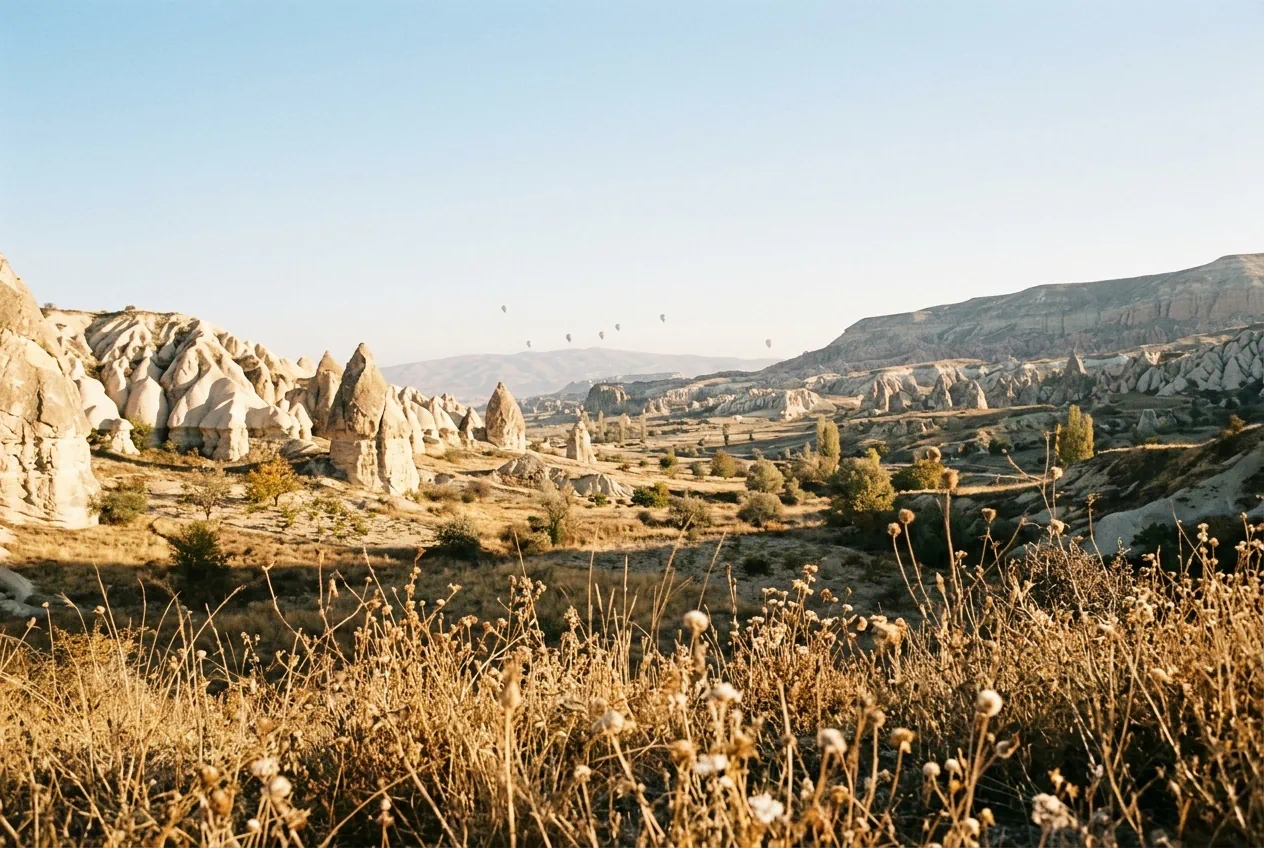
Spring (April–June) is the best overall window. Temperatures sit between 16°C and 26°C across all four main regions, the ground is dry at archaeological sites, and Cappadocia’s balloon flights launch most mornings.
Summer (July–August) is hot and crowded. Coastal resorts fill, prices peak, and inland sites like Ephesus and Pamukkale reach 35–38°C with almost no shade.
Autumn (September–October) is spring’s equal and, for many travellers, better. The sea is still warm in September, the crowds thin after mid-September, and the light in Cappadocia is at its best.
Winter (November–March) is quiet, cheap and underrated — with one caveat. Cappadocia may see snow, and balloon flights are grounded more often.
Istanbul, month by month
| Month | Temp | Crowds | Notes |
|---|---|---|---|
| January | 3–9°C | Very low | Rain, occasional snow. Museums empty. |
| February | 3–10°C | Very low | Coldest feeling month; wind off the Marmara. |
| March | 5–13°C | Low | Unstable — sun and rain in the same afternoon. |
| April | 9–18°C | Medium | Tulip season through late April. Best spring month. |
| May | 14–23°C | Medium-high | Ideal. Long days, dry. |
| June | 18–27°C | High | Still comfortable; evenings are excellent. |
| July | 21–30°C | Very high | Hot and humid. Start tours at 08:30. |
| August | 21–30°C | Very high | Peak heat and peak crowds. |
| September | 18–27°C | High | Best month overall. Sea warm, air dry. |
| October | 14–22°C | Medium | Excellent. Some rain returns late. |
| November | 10–16°C | Low | Cool, often clear. Good value. |
| December | 6–12°C | Low | Rain. Indoor sites (cisterns, palaces) shine. |
Istanbul is a city you can visit in any month, but three sites — Topkapı Palace, Ephesus and Hierapolis — are almost entirely outdoors. Those are the ones that suffer in July and August.
Cappadocia, month by month
Cappadocia is the region where the month matters most, because the balloon flight is weather-dependent.
| Month | Temp | Balloon reliability | Notes |
|---|---|---|---|
| Jan–Feb | −4 to 6°C | Moderate | Snow on the fairy chimneys. Flights often cancelled. |
| March | 0–12°C | Moderate | Cold mornings, clear skies. |
| April | 4–18°C | High | Best month. Green valleys, reliable launches. |
| May | 8–22°C | High | Excellent. |
| June | 12–27°C | High | Long days, dry. |
| July | 16–32°C | High | Hot and hazy. Early morning only. |
| August | 16–32°C | High | Same. Book the first morning of your stay. |
| September | 11–27°C | High | Best month alongside April. |
| October | 6–21°C | High | Golden light, quiet trails. |
| November | 1–14°C | Moderate | Cold nights. Some cancellations. |
| December | −2 to 8°C | Low-moderate | Snow possible. Beautiful, unreliable. |
The rule that matters: book the balloon for the first morning of your stay, not the last. Roughly one morning in five is grounded, and if your flight is on the final morning you have no second chance.
The Aegean coast: Ephesus and Pamukkale
Ephesus and Pamukkale share a climate — inland Aegean, hot and dry from June to September.
| Month | Temp | Verdict |
|---|---|---|
| April–May | 18–27°C | Ideal. Marble is dry and the site is green. |
| June | 24–32°C | Manageable if you start at opening. |
| July–August | 28–38°C | Harsh. Almost no shade at Ephesus or Hierapolis. |
| September | 22–31°C | Excellent, especially late September. |
| October | 17–25°C | Very good. Some rain late in the month. |
| Nov–March | 8–17°C | Quiet and cool. Wet marble at Ephesus is slippery. |
Dates to avoid
Four dates cause more disruption than any weather:
Kurban Bayramı (dates shift each year) — a four-day public holiday when domestic flights and hotels across Turkey fill months in advance and prices double.
Ramazan Bayramı — three days, similar effect but smaller.
The first week of Ramadan — not a problem for tourists, but some traditional restaurants and bathhouses change their hours.
Late April in Gallipoli — the peninsula closes to normal tours around Anzac Day, 24–25 April.
The short answer
If you can choose freely: late April to early June, or mid-September to late October. Those two windows give you dry ground at every archaeological site, comfortable walking temperatures, reliable balloon launches in Cappadocia, and a sea warm enough to swim in on the Aegean.
If you must travel in July or August, reverse the daily rhythm — sites at opening time, indoor stops at midday, the water in the afternoon. Our private tours do this automatically in high summer.
Frequently asked questions
What is the cheapest month to visit Turkey? January and February, excluding the New Year week. Domestic flights and hotels drop 40–60% below summer rates, and Istanbul’s indoor sites — Hagia Sophia, Topkapı, the Basilica Cistern, the Grand Bazaar — are unaffected by the cold.
Can you visit Cappadocia in winter? Yes, and snow on the fairy chimneys is the most photographed version of the region. The trade-off is balloon reliability: wind and ice ground the fleet more often between December and February. Book two nights minimum so you have a backup morning.
Is August too hot for Ephesus? It reaches 35–38°C with very little shade. It is doable if you enter at 08:00 opening, carry water and finish by 11:30. Our day tours from Istanbul already structure the day this way in high season.
When is the best time for a Turkey tour covering several regions? May or October. Both months work in Istanbul, Cappadocia, the Aegean and the southeast simultaneously, which is the only way a multi-region itinerary avoids a bad week somewhere.